
(HedgeCo.Net) In a watershed moment for crypto adoption, Morgan Stanley announced filings to launch Bitcoin and Solana exchange-traded funds (ETFs) — a direct signal of traditional finance moving deeper into digital assets. Reuters

Morgan Stanley’s Crypto ETF Ambition
For the first time, one of the largest U.S. banks by assets is formally seeking to offer dedicated crypto ETFs tied to major digital assets. The filings with the U.S. Securities and Exchange Commission (SEC) underscore an ongoing shift in how regulated financial institutions view digital assets — no longer fringe bets but elements of core investor portfolios. euronews
Analysts note that these proposed ETFs — if approved — could open crypto exposure to a broader wave of wealth clients and institutional investors without requiring direct token custody or trading. ETF structures offer improved compliance, liquidity, and familiarity for traditional asset managers and wealth advisors.
Why It Matters for Crypto Firms
For major digital asset exchanges and service providers (e.g., Coinbase, Binance, Gemini), this trend signals potential demand growth:
- Custody services may surge as ETF issuers seek secure storage solutions.
- Liquidity aggregation will be essential to support ETF creation/redemption mechanisms.
- Market makers may benefit from increased spreads and trading volume.
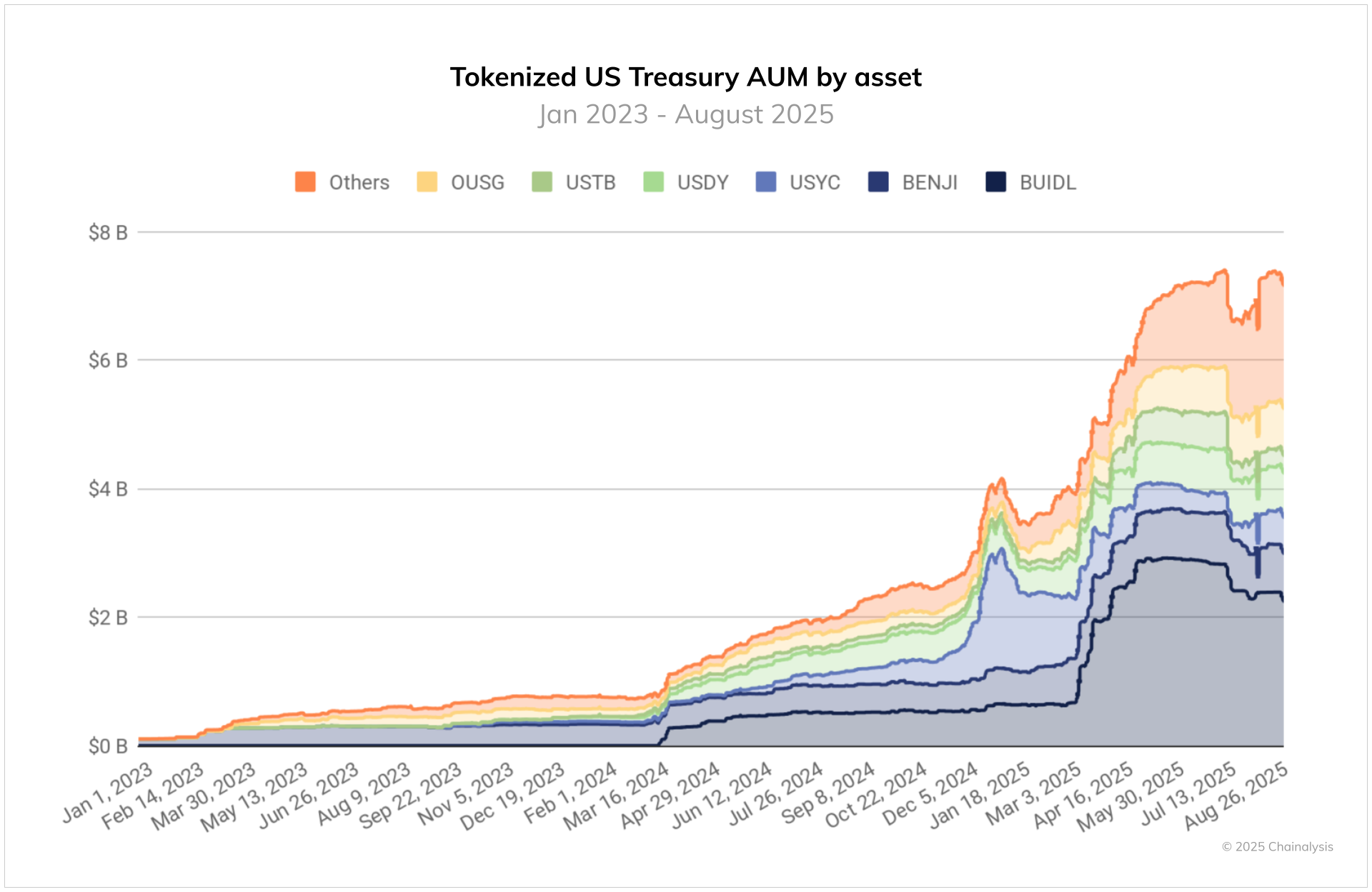
Traditional finance’s embrace also reflects evolving regulatory clarity under the U.S. regime, including recent policy actions by financial regulators that provide a clearer path for digital asset products and services.
ETF Competition and Landscape
Morgan Stanley is entering a space already energized by products like BlackRock’s iShares Bitcoin Trust, which now holds tens of billions in assets. However, Morgan Stanley’s scale and wealth client base offer a unique competitive advantage and suggest that crypto investment will increasingly intersect with mainstream portfolio design.
Institutional Adoption Is Not Limited to ETFs
Beyond ETFs, major firms are engaging in a variety of crypto-focused initiatives:
- Custody partnerships and secure wallet infrastructures are expanding.
- Blockchain research desks within traditional banks are advising on tokenized assets.
- Stablecoin settlement gateways are being explored for cross-border payments.
Regulatory support continues to improve, diminishing one of the biggest barriers to institutional entry.
Market Sentiment and Broader Impact
The crypto market’s broader performance — especially Bitcoin’s reclaimed levels and altcoin gains — provides fertile ground for product innovation. Financial institutions are increasingly comfortable constructing regulated products around crypto, drawing on tools like derivatives, compliance frameworks, and structured products that align with fiduciary standards.
Outlook
Morgan Stanley’s ETF filings mark a critical turning point: digital assets are now perceived as complementary financial products, not side bets. As traditional finance constructs more scalable, regulated paths into cryptocurrency, major crypto firms will see increased institutional engagement, deeper liquidity, and a new class of long-term capital entering the ecosystem.