
(HedgeCo.Net) Systemic Risks & Innovation Imperatives — While markets and regulation dominate headlines, other less visible forces are shaping investor fortunes — from advanced cyber threats to next-gen cryptographic defenses. A new report by Chainalysis has sent shockwaves through the crypto investment community: in 2025 alone, an estimated $17 billion worth of Bitcoin was stolen.
Fraud Explosion — $17B in Bitcoin Stolen in 2025
Key Findings:
- Scammers increasingly harness AI-powered tactics, generating convincing impersonation frauds that trick investors into wiring or signing away funds.
- Impersonation scams soared, with some methods growing by more than 1,400% year-over-year.
- Crypto ATM fraud alone accounted for hundreds of millions in losses — illustrating that physical-digital convergence can create unexpected vulnerabilities.
This surge in fraud isn’t just a law-enforcement issue — it reshapes investment math. Losses of this magnitude erode trust, force platforms to raise compliance costs, and can depress long-term institutional allocations where fiduciary risk matters.
Innovation Arms Race — Quantum-Resilient Crypto
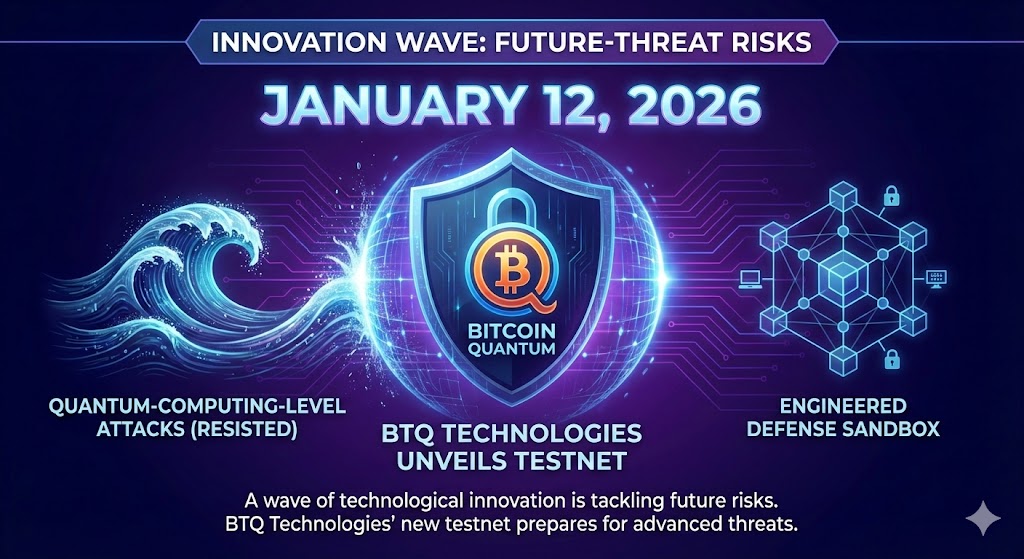
At the same time, a wave of technological innovation is tackling even future-threat risks. On January 12, 2026, BTQ Technologies unveiled “Bitcoin Quantum”, a testnet engineered to resist quantum-computing-level attacks — which threaten older Bitcoin addresses whose public keys are exposed on the blockchain.
Why this matters:
- A significant portion of Bitcoin’s circulating units (~6.26M BTC) could in theory be at risk once quantum hardware advances, given known weaknesses tied to existing cryptographic keys.
- Post-quantum cryptography is being integrated into this testnet as a defensive sandbox — an early sign that the industry is preparing for threats that were once considered distant science fiction.
While still experimental, such work highlights how technology risk — not just market risk — is now a front-line concern for serious allocators.
Presales & New Token Narratives
Amid these risks, the crypto investment narrative has not stagnated. Presale markets remain active, with dozens of new token projects seeking early-stage capital ahead of public launches. These range from infrastructure plays to meme and utility tokens — showing that speculative narratives still power capital deployment even as macro caution rises.
However, investor caution is warranted — presale quality remains wildly uneven, and regulatory scrutiny of token launches is intensifying across jurisdictions.
Putting it Together — Evolving Investment Thesis
2026’s crypto investment landscape is not simply about prices or memecoins — it’s being reshaped by policy, risk, and technology forces:
- Price and macro sentiment are correlated with regulatory optimism, but volatility remains elevated.
- Regulatory frameworks — when and if enacted — will determine whether billions in institutional capital can be unlocked.
- Risk environments from fraud to quantum computing are emerging as strategic risk vectors, demanding advanced security investments and due diligence.
Investors with a 20/80 rule — focusing 20% on conviction assets like Bitcoin or Ethereum while allocating 80% to risk management and compliance strategies — may be better positioned as 2026 unfolds.