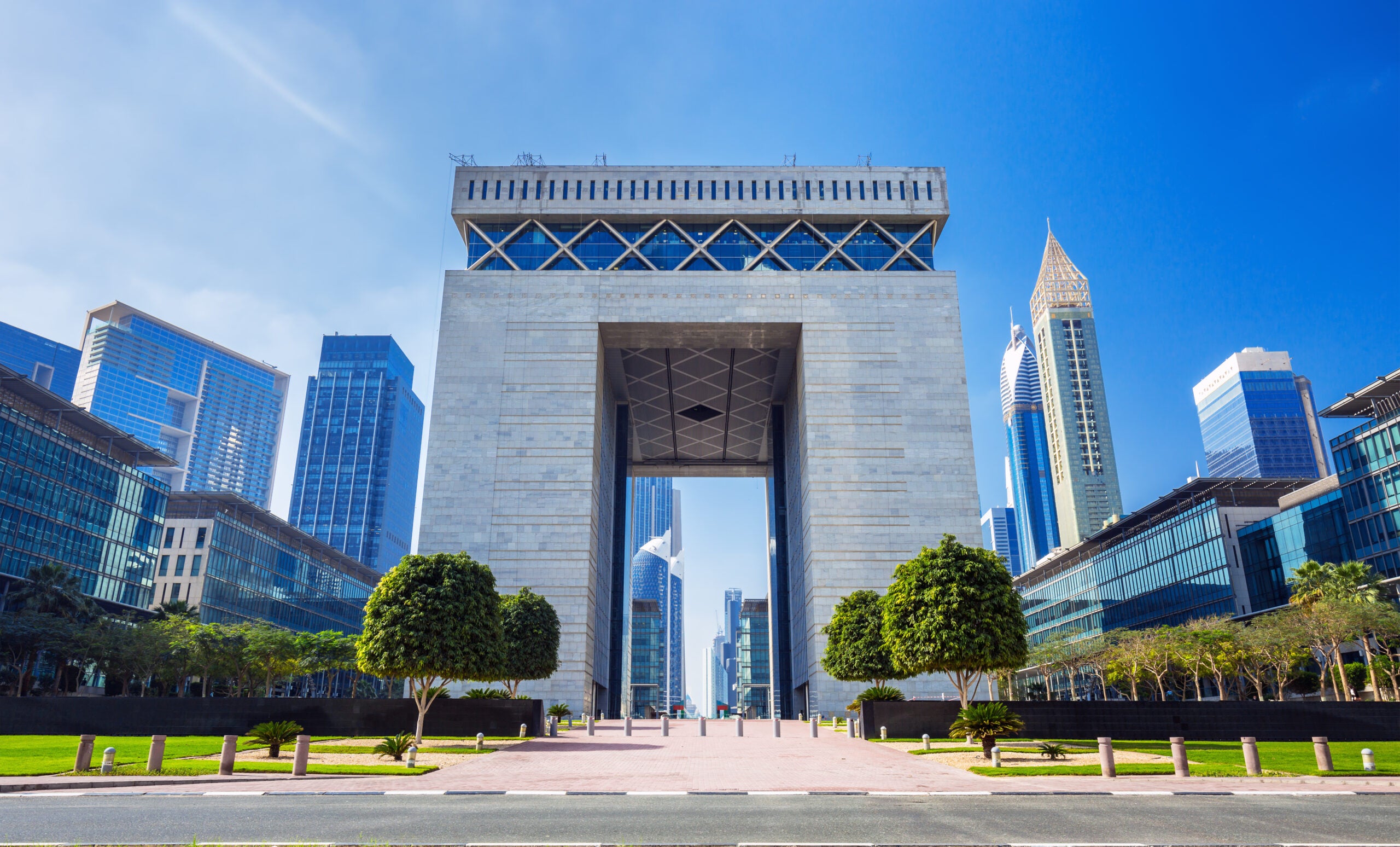
(HedgeCo.Net) A notable trend in the hedge fund world is the rapid expansion of activity in the Middle East, particularly in the United Arab Emirates. The CME?Group recently opened a new office in Dubai’s financial centre, signalling strong institutional interest. FNLondon
Highlights
- CME’s new Dubai office, licensed by the Dubai?Financial?Services?Authority (DFSA), is intended to serve as the regional hub for the Middle East and Africa. FNLondon
- The number of hedge funds operating in the Dubai International Financial Centre (DIFC) rose from about 50 to 85 in one year; many manage over US $1 billion each. FNLondon
- The Middle Eastern hedge fund market is supported by favourable tax regimes, large sovereign wealth funds, and growing private-wealth pools.
Why this is important
- New geographies for hedge funds: The shift away from purely U.S./European hubs opens new opportunities but also new regulatory/regime-risk profiles.
- Capital flows: Abu Dhabi, Dubai, and other Gulf centres have deep pockets and are actively seeking alternative investment managers.
- Strategy diversification: Funds in the region may leverage local themes (energy, infrastructure, state-led growth) alongside global strategies.
Considerations
- Regulatory and transparency concerns: Middle Eastern jurisdictions may operate with different rules, governance frameworks, and investor protections.
- Talent & infrastructure: While growing rapidly, the ecosystem in the Middle East is still building in terms of services, infrastructure and talent compared to London or New York.
- Currency / political risk: Exposure to regional risks (oil price swings, geopolitical tensions) may impact hedge fund performance and valuations.
Outlook
This trend suggests hedge funds will increasingly consider the Middle East as a base or growth region. For allocators and managers, setting up shop in Dubai or Abu Dhabi may become more common. The question will be how well these funds execute and how they manage the unique regional dynamics.