(HedgeCo.Net) While Bitcoin dominates headlines, the most transformative crypto trend today may be happening quietly in the background: the rapid mainstreaming of stablecoins.
Once viewed as niche trading tools, stablecoins have evolved into a core layer of global payments infrastructure, facilitating cross-border transfers, remittances, treasury operations, and merchant settlement at unprecedented scale.
Explosive Growth in Real-World Usage
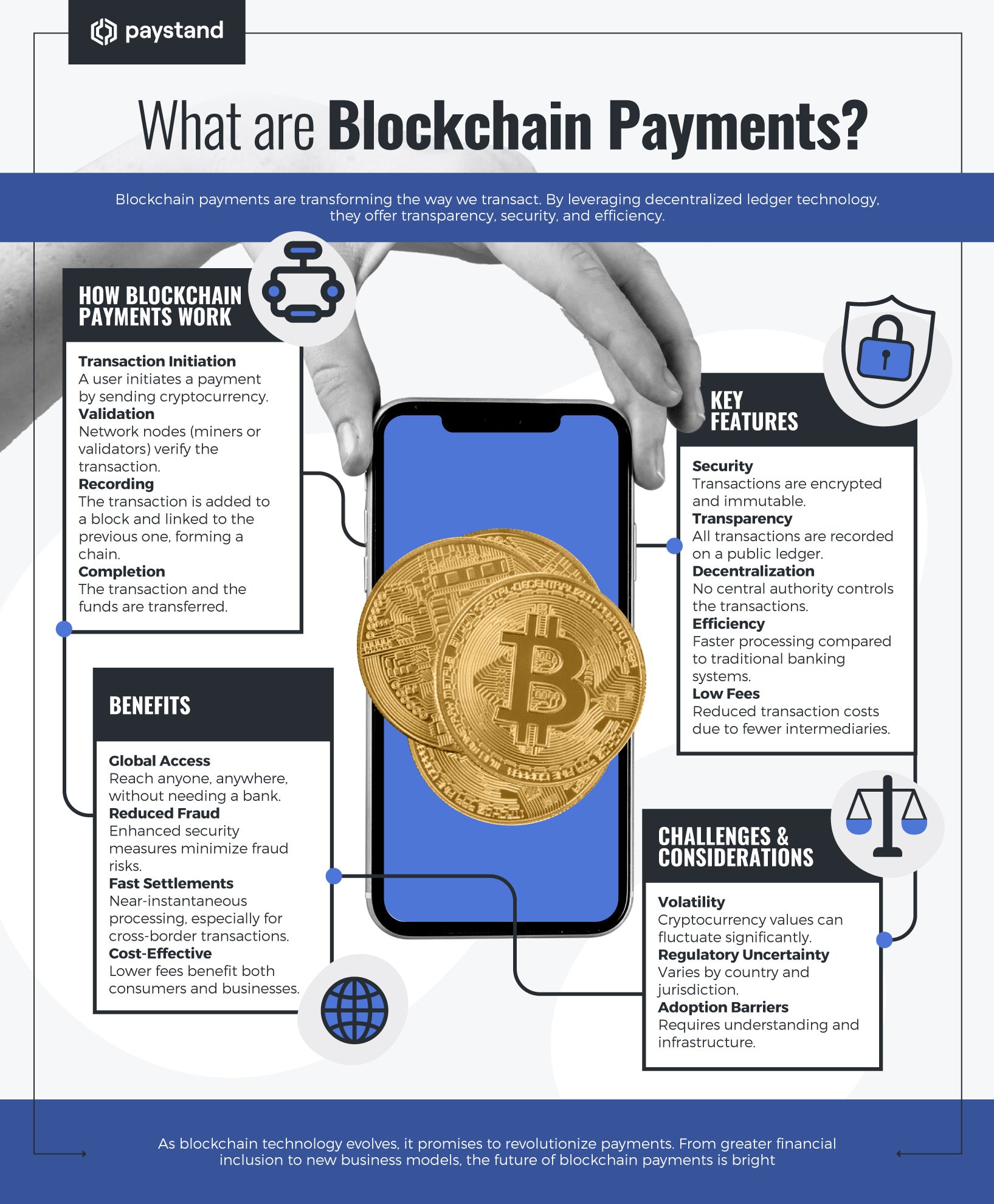
Stablecoin transaction volumes now rival — and in some corridors exceed — traditional payment rails. Corporations, fintech platforms, and crypto-native firms increasingly prefer blockchain-based dollars for:
- Instant settlement
- Lower transaction costs
- 24/7 availability
- Reduced counterparty risk
US-dollar-backed stablecoins have effectively become programmable cash, unlocking use cases that traditional banking rails struggle to support.
Big Tech and Finance Step In
Major payment companies and financial institutions are actively integrating stablecoins into their ecosystems. Wallet providers, payment processors, and digital banks are building stablecoin rails to support:
- International payroll
- Merchant payments
- Treasury management
- On-chain lending and settlement
For banks, stablecoins represent both a threat and an opportunity — forcing modernization while offering new revenue streams.
Regulation Accelerates Adoption
Regulatory clarity has become a tailwind rather than a headwind. Clearer reserve requirements, disclosure rules, and compliance standards have reassured institutional users, paving the way for broader adoption.
Central banks are also watching closely. While central bank digital currencies (CBDCs) remain slow to roll out, stablecoins are already operating at scale, filling a functional gap in the global financial system.
Impact on Crypto Markets
For crypto investors, stablecoins now serve as:
- The backbone of decentralized finance
- Liquidity hubs for trading
- Collateral for lending and derivatives
- Bridges between fiat and on-chain assets
Their growth has reduced friction across the crypto ecosystem, supporting deeper liquidity and more efficient price discovery.
Bottom Line:
Stablecoins are no longer just crypto tools — they are becoming global financial infrastructure, quietly reshaping how money moves around the world.