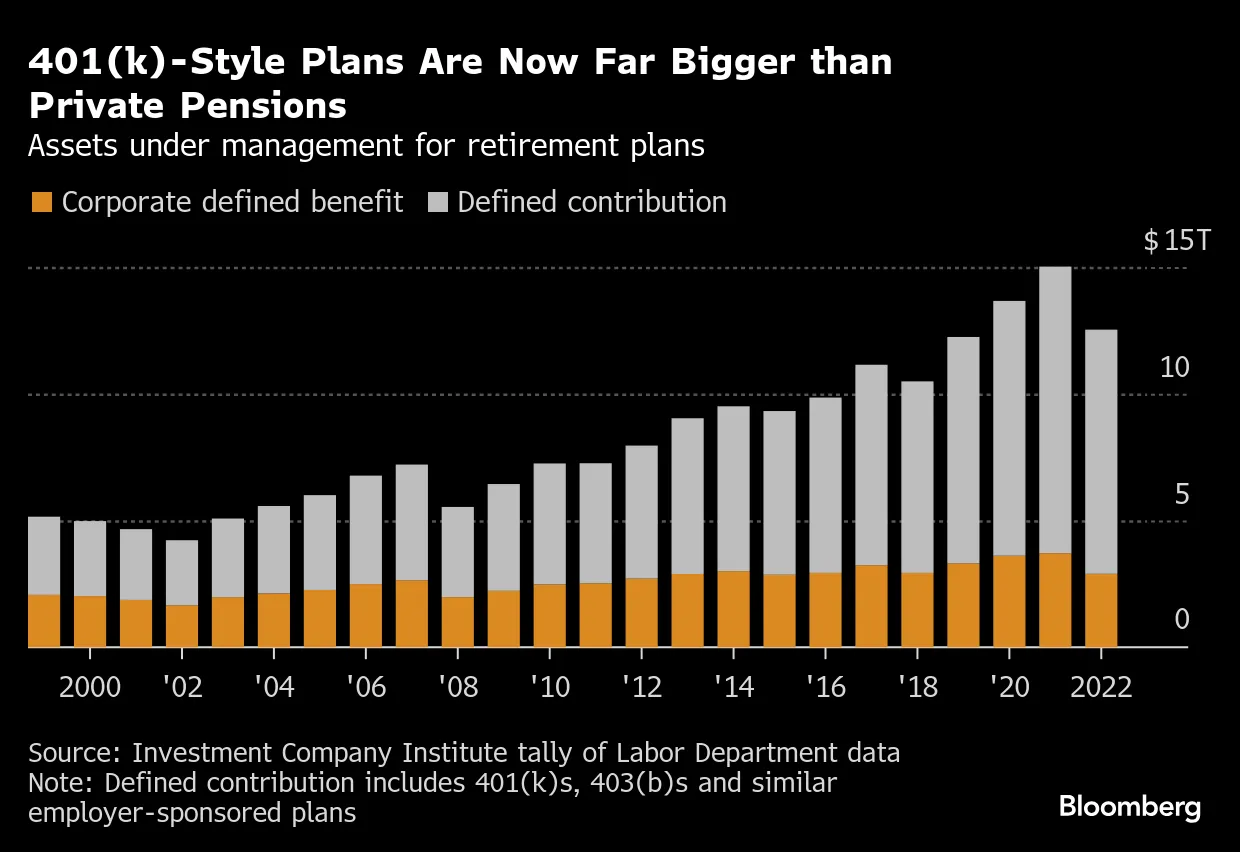
(HedgeCo.Net). The landscape of retirement investing is facing a paradigm shift as regulatory and policy actions push for broader inclusion of alternative assets (private equity, real estate, crypto, private credit) within defined-contribution plans such as 401(k)s. The U.S. Securities and Exchange Commission recently remarked on the so-called “diversification deficit” and opened the door for newcomers to retirement plan menus. SEC+1
What’s Happening
On August 7 2025, the Donald Trump administration signed an Executive Order that signals intent to democratize access to alternative investments for 401(k) plan participants. SEC+1 The SEC, for its part, has been discussing the legal and litigation-framework challenges arising from alternative-asset inclusion in retirement accounts. Wealth Management
Why It Matters
One of the long?standing limitations of retirement plans has been their reliance on publicly traded stocks and fixed-income assets. Alternatives (traditionally reserved for pensions and institutions) have offered the promise of diversification, non-correlated returns, and higher yields — albeit often with more complexity. The shift implies that ordinary retirement investors might, in future, gain access to private markets and real assets once only available to large institutions.
Potential Benefits & Risks
Benefits:
- Improved diversification: By moving beyond stocks & bonds, plans may be better insulated from public?market volatility.
- Higher potential returns: Private equity, real estate or private credit may offer return profiles above traditional fixed income.
- Alignment with long?term horizons: Retirement plans are inherently long?term and some alternatives are well suited to that horizon.
Risks:
- Liquidity constraints: Alternatives often cannot be redeemed easily, which is a challenge when retirement accounts demand flexibility.
- Valuation opacity: Private markets are less transparent and may carry higher fee layers.
- Fiduciary responsibilities: Plan sponsors must ensure suitability, disclosure, and governance — a more demanding framework for alternatives.
- Investor understanding: Many plan-participants may not fully appreciate the trade-offs in illiquidity and risk.
Market Response & Adaptation
Asset managers and retirement plan platforms are already preparing. Some large providers are exploring private-markets offerings for defined-contribution plan menus, and some publications suggest the shift could open up $80 trillion in alternative-asset opportunity by unlocking retail participation in private markets. Private Equity International Meanwhile, regulatory guidance and litigation concerns remain top?of?mind.
What to Watch
Key indicators to follow:
- Regulatory finalizations: Will the U.S. Department of Labor or SEC issue rules clarifying alternative inclusion in 401(k)s?
- Product development: Which alternative?asset vehicles will be designed specifically for retirement plans (liquidation terms, fees, transparency)?
- Plan-sponsor adoption: Which institutions will pioneer the shift, and how will they educate participants?
- Performance & take-up: Will participants embrace these options, and how will they perform relative to traditional components?
Takeaway
The move to include alternatives in 401(k) and similar retirement plans has the potential to significantly reshape the retirement-investment landscape. While the opportunity is real, navigation will require strong governance, investor education, and adaptation by asset managers. For plan-participants and advisors alike, the message is clear: the old toolbox of stocks + bonds may no longer suffice alone — but the new toolbox carries its own set of trade-offs and demands respect.