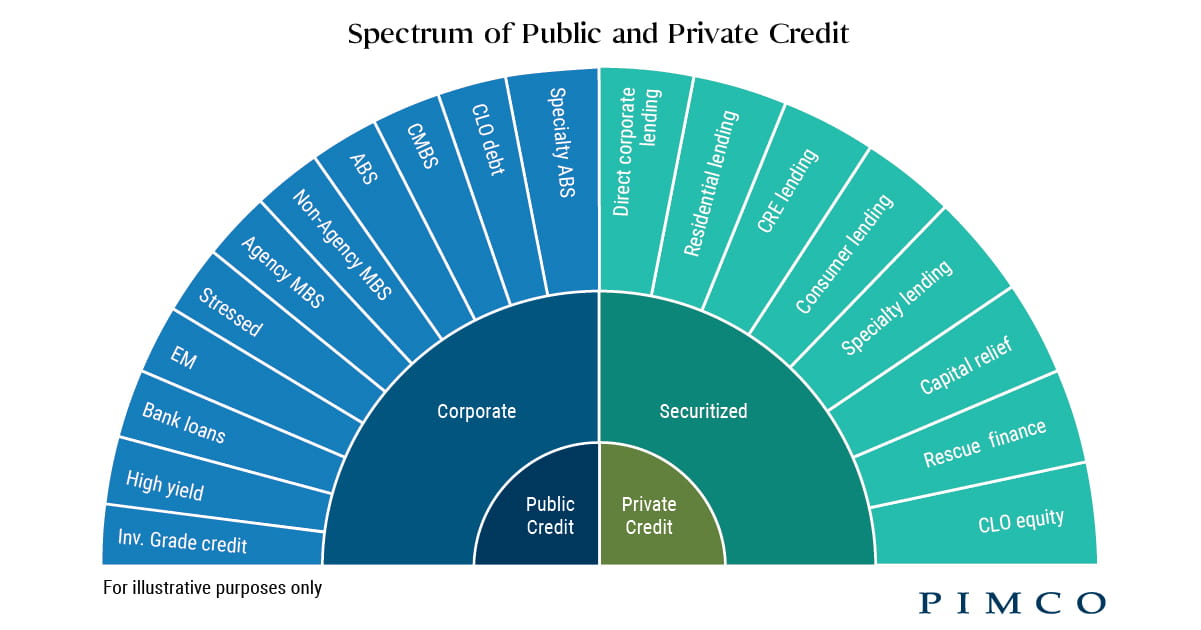
(HedgeCo.Net). Private credit has emerged as one of the fastest-growing strategy segments within hedge funds, as managers capitalize on banks’ retreat from middle-market and specialized lending.
Hedge funds are increasingly deploying capital into direct lending, asset-backed financing, and structured credit deals that offer attractive yields with contractual cash flows. Higher interest rates have made private credit particularly compelling, allowing lenders to lock in strong returns while maintaining seniority in capital structures.
Unlike traditional private equity firms, hedge funds bring speed and flexibility. Deals can be structured rapidly, customized to borrower needs, and actively managed over shorter time horizons. This agility has made hedge funds preferred partners for companies seeking non-bank financing.
Institutional investors have responded enthusiastically. Allocators view private credit as a defensive complement to equity exposure, offering income generation and downside protection in uncertain markets. As a result, capital commitments to hedge-fund-led credit vehicles have surged.
Risk management remains paramount. Leading managers emphasize conservative underwriting, diversification across borrowers and industries, and rigorous covenant structures. Funds with deep credit expertise and restructuring capabilities are especially well-positioned as economic conditions tighten.
The growth of private credit is also reshaping competition. Hedge funds now compete directly with private equity giants, insurance-linked investors, and traditional asset managers for deal flow. This competition has driven innovation in deal structures and risk sharing.
Looking forward, private credit is expected to remain a pillar strategy for hedge funds, particularly as regulatory constraints limit banks’ ability to lend aggressively. For many managers, credit now represents a stable anchor alongside more volatile trading strategies.