The Return of Great Power Conflict: Markets Confront a New Geopolitical Regime:
(HedgeCo.Net) — In a stark and widely circulated note that quickly reverberated across institutional investment circles, Ray Dalio issued one of his most consequential warnings in recent years: the ongoing tensions between the United States, Israel, and Iran should not be viewed as isolated geopolitical flare-ups, but rather as part of a broader and increasingly entrenched “world war” dynamic.
For Dalio, this is not hyperbole—it is a structural framework. The founder of Bridgewater Associates, long known for his historical approach to macro investing, argues that global markets are failing to adequately price in the long-term implications of a fragmented, multipolar conflict environment. The result, he suggests, is a dangerous complacency that could leave portfolios exposed to sustained inflationary pressures, regime shifts in global trade, and heightened volatility across asset classes.
From Cyclical Conflict to Structural Rivalry
Dalio’s thesis builds on a central premise: the world has transitioned from a period of relative geopolitical stability into one defined by systemic rivalry among major powers. Unlike the episodic conflicts of the post-Cold War era, today’s tensions are deeply embedded in competing economic systems, ideological frameworks, and resource dependencies.
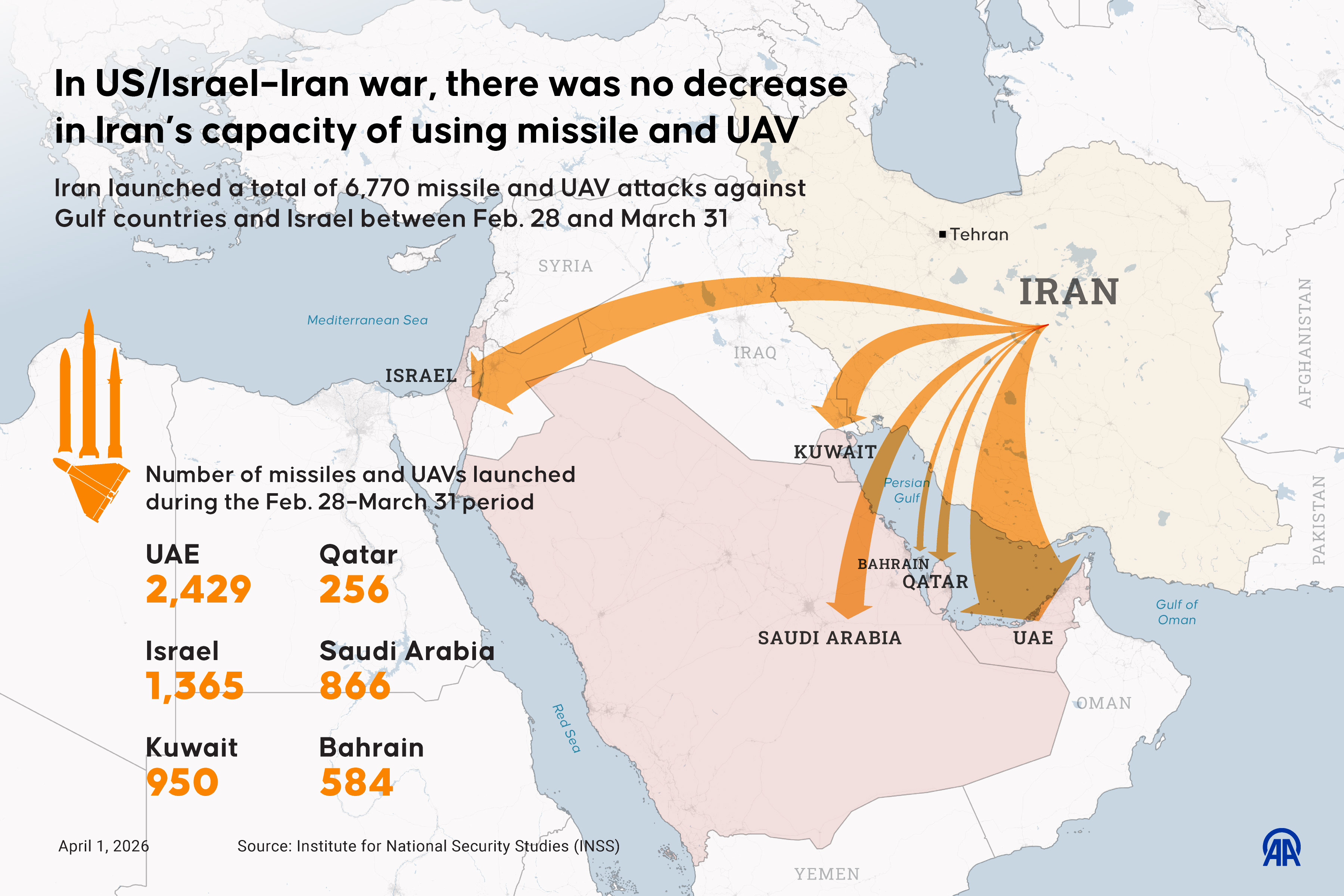
The U.S.-Israel-Iran conflict, in this context, serves as a flashpoint rather than an anomaly. It reflects a broader pattern of regional confrontations that are increasingly interconnected, often involving proxy actors and overlapping strategic interests. According to Dalio, these conflicts are part of a larger mosaic that includes U.S.-China competition, NATO-Russia tensions, and rising instability in key energy-producing regions.
This structural shift has profound implications for investors. Markets that were once primarily driven by monetary policy and economic cycles are now increasingly shaped by geopolitical risk—a variable that is notoriously difficult to model and often mispriced until it materializes.
Inflation in a Fragmented World
One of Dalio’s most urgent warnings centers on inflation. In a fragmented global system, the efficiency gains that defined the era of globalization begin to erode. Supply chains become less optimized, trade barriers increase, and countries prioritize resilience over cost efficiency.
This dynamic is particularly evident in energy markets. The Middle East remains a critical hub for global oil supply, and any sustained disruption—whether through direct conflict or strategic chokepoints like the Strait of Hormuz—has immediate and far-reaching consequences. Rising energy costs feed directly into broader inflationary pressures, affecting everything from transportation to manufacturing.
But the inflationary impact extends beyond energy. Defense spending, which tends to rise sharply during periods of geopolitical tension, injects additional fiscal stimulus into economies already grappling with elevated debt levels. At the same time, sanctions and trade restrictions can create supply shortages, further exacerbating price pressures.
Dalio’s concern is that central banks, already constrained by high debt burdens and political pressures, may struggle to respond effectively. Traditional tools such as interest rate hikes could prove insufficient—or even counterproductive—in an environment where inflation is driven as much by geopolitical factors as by domestic demand.
The End of the “Peace Dividend”
For decades, global markets benefited from what economists often referred to as the “peace dividend”—a period of reduced military spending and increased economic integration following the end of the Cold War. This environment supported lower inflation, higher growth, and a steady expansion of global trade.
Dalio argues that this era is now definitively over.
The reallocation of resources toward defense and national security represents a structural shift that will have lasting economic consequences. Governments are increasingly prioritizing strategic industries, from semiconductors to energy infrastructure, often through subsidies and protectionist policies. While these measures may enhance national resilience, they also introduce inefficiencies that weigh on global productivity.
For investors, this means recalibrating expectations. The assumptions that underpinned portfolio construction for the past three decades—stable inflation, predictable monetary policy, and expanding globalization—are no longer reliable.
Market Complacency and the Risk of Repricing
Despite these risks, Dalio believes that markets remain largely complacent. Equity valuations, credit spreads, and volatility indices suggest a level of confidence that appears inconsistent with the underlying geopolitical landscape.
This disconnect, he warns, creates the potential for sudden and severe repricing events. Unlike traditional economic shocks, geopolitical crises often unfold rapidly and unpredictably, leaving little time for investors to adjust.
Historically, such events have triggered sharp movements across asset classes. Oil prices can spike, equities can sell off, and safe-haven assets such as gold and U.S. Treasuries can experience significant inflows. However, the current environment adds an additional layer of complexity, as inflation concerns may limit the traditional safe-haven appeal of bonds.
Portfolio Implications: Navigating a New Regime
For institutional investors, Dalio’s warning is not merely academic—it is a call to action. Navigating a world characterized by persistent geopolitical tension requires a fundamentally different approach to portfolio construction.
Diversification remains critical, but its implementation must evolve. Traditional correlations between asset classes may break down in a crisis, necessitating a broader range of hedging strategies. Real assets, including commodities and infrastructure, are likely to play a more prominent role as inflation hedges.
At the same time, liquidity management becomes increasingly important. In periods of heightened volatility, the ability to quickly adjust positions can be a decisive advantage. This is particularly relevant for private market investments, where liquidity constraints can amplify downside risk.
Dalio also emphasizes the importance of scenario analysis. Investors must consider not only baseline economic forecasts but also a range of geopolitical outcomes, including worst-case scenarios. While such events may have low probabilities, their potential impact is significant enough to warrant careful consideration.
The Rise of Multipolarity
Underlying Dalio’s analysis is the concept of a multipolar world—a global system in which power is distributed among several major actors rather than dominated by a single superpower. This shift introduces a higher degree of complexity and uncertainty, as alliances become more fluid and conflicts more decentralized.
In this environment, economic and military strategies are increasingly intertwined. Trade policies, technological development, and currency dynamics all become tools of geopolitical competition. For example, efforts to reduce dependence on foreign supply chains can reshape global trade patterns, while currency fluctuations can influence the balance of power between nations.
For investors, understanding these dynamics is essential. Macro strategies that incorporate geopolitical analysis are likely to gain prominence, as traditional models prove insufficient in capturing the nuances of this new landscape.
Lessons from History
Dalio’s perspective is deeply rooted in historical analysis. He often draws parallels between the current environment and previous periods of great power rivalry, such as the lead-up to World War II. While he stops short of predicting a similar outcome, he emphasizes that history provides valuable insights into how such dynamics can evolve.
One key lesson is the tendency for conflicts to escalate incrementally. What begins as a regional dispute can gradually expand, drawing in additional actors and increasing the scope of the conflict. This process can unfold over years or even decades, making it difficult for markets to fully anticipate.
Another lesson is the role of economic stress in exacerbating geopolitical tensions. High levels of debt, inequality, and political polarization can create conditions that make conflict more likely. In this sense, the current global environment—with its combination of economic and political challenges—bears striking similarities to past periods of instability.
Conclusion: A Structural Shift Investors Cannot Ignore
Dalio’s warning about “world war” dynamics is ultimately a reflection of a deeper transformation in the global order. The convergence of geopolitical rivalry, economic fragmentation, and structural inflation represents a paradigm shift that will shape markets for years to come.
For investors, the key takeaway is clear: the assumptions that defined the past are no longer sufficient to navigate the future. A more nuanced, flexible, and risk-aware approach is required—one that accounts for the complex interplay between economics and geopolitics.
As markets continue to grapple with these challenges, Dalio’s message serves as both a caution and a guide. In a world where uncertainty is the new norm, understanding the forces at play is the first step toward managing risk and identifying opportunity.