
(HedgeCo.Net) In an industry increasingly defined by scale, diversification, and speed, Point72 is executing one of the most aggressive expansion strategies in modern hedge fund history. Under the leadership of billionaire investor Steve Cohen, the firm has rapidly scaled to approximately 190 trading pods while simultaneously building out new verticals in private credit and venture capital.
This multi-front expansion represents more than just growth—it signals a strategic repositioning of Point72 from a traditional hedge fund into a fully integrated alternative investment platform. At its core, the strategy reflects a broader industry shift: the convergence of hedge funds, private markets, and retail-accessible investment vehicles.
As regulatory scrutiny intensifies and capital flows evolve, Point72 is positioning itself to capture the next phase of alternative investment growth—before the window narrows.
I. A New “Pod” Approach to Reach Today’s Investors:
To understand the significance of Point72’s expansion, it is essential to revisit its origins.
The firm emerged from the remnants of SAC Capital Advisors, which was transformed into Point72 in 2014 following regulatory settlements. What began as a family office managing Steve Cohen’s personal capital has since evolved into a global asset manager overseeing tens of billions of dollars.
Over the past decade, Point72 has built its reputation on:
- High-Performance Trading: Leveraging fundamental research and data-driven insights.
- Multi-Manager Structure: Operating through semi-autonomous trading teams (“pods”).
- Rigorous Risk Management: Centralized oversight with decentralized execution.
This model has proven highly scalable—and it is now being extended into new asset classes.
II. The Pod Model at Scale: 190 Trading Engines
At the heart of Point72’s success is its pod-based structure, a system that divides capital among independent trading teams, each responsible for generating returns within defined risk parameters.
With approximately 190 pods, Point72 now operates one of the largest multi-manager platforms in the world.
How the Pod Model Works:
- Each pod functions as a mini hedge fund.
- Portfolio managers are allocated capital based on performance and risk metrics.
- Central risk teams monitor exposures across the firm.
- Underperforming pods are quickly restructured or eliminated.
This structure offers several advantages:
- Diversification: Reduces reliance on any single strategy or manager.
- Scalability: Allows rapid expansion without sacrificing control.
- Performance Optimization: Capital is continuously reallocated to top performers.
However, it also comes with challenges, including high operational costs and intense internal competition.
III. Enter Private Credit: Expanding Beyond Liquid Markets
One of the most significant developments in Point72’s strategy is its entry into private credit—a sector that has become a cornerstone of modern alternative investing.
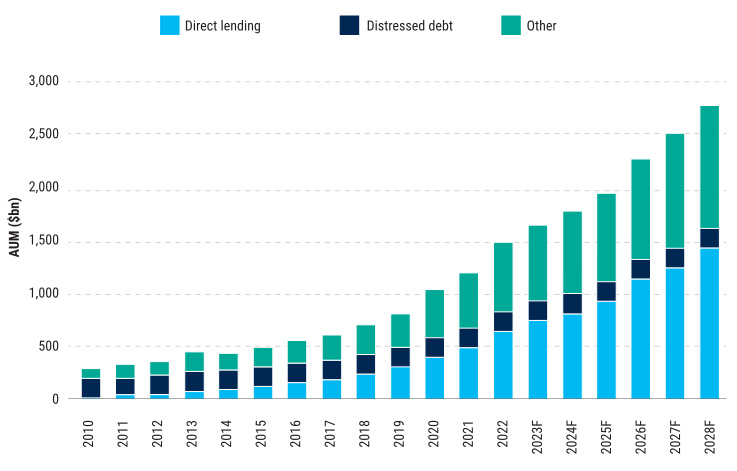
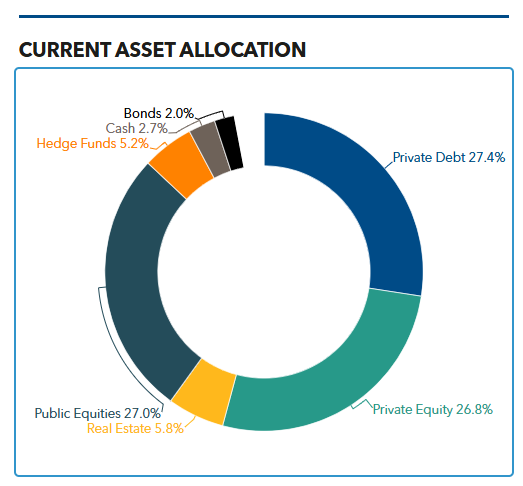
Private credit offers several attractive characteristics:
- Higher Yields: Compared to traditional fixed income.
- Floating Rates: Providing protection in rising rate environments.
- Customization: Tailored financing solutions for borrowers.
For Point72, the move into private credit represents a strategic diversification away from purely liquid strategies.
But timing is critical.
As highlighted in broader market discussions, private credit is entering a period of heightened scrutiny. Rising interest rates, refinancing risks, and liquidity concerns are beginning to test the resilience of the asset class.
By entering now, Point72 is effectively betting that:
- Market dislocations will create attractive entry points.
- Its risk management expertise can navigate potential stress scenarios.
- Scale will provide a competitive advantage in sourcing and structuring deals.
IV. Venture Capital: Capturing the Next Innovation Cycle
In parallel with its push into private credit, Point72 is expanding its venture capital capabilities.
This move aligns with a broader industry trend in which hedge funds are increasingly participating in early-stage investing—seeking to capture value creation before companies reach public markets.
Key drivers of this strategy include:
- Access to Innovation: Investing in emerging technologies and business models.
- Extended Investment Horizon: Complementing shorter-term trading strategies.
- Strategic Synergies: Leveraging research insights across public and private markets.
For Point72, venture capital represents both an opportunity and a challenge.
While the potential returns are significant, the asset class requires:
- Long-term capital commitments
- Deep sector expertise
- Patience in navigating illiquidity
Successfully integrating venture investing into a hedge fund framework will be a key test of Point72’s evolving model.
V. The Retailization of Alternatives: A Structural Tailwind
Perhaps the most important macro driver behind Point72’s expansion is the ongoing “retailization” of alternative investments.
Historically, access to hedge funds, private credit, and venture capital was limited to institutional investors and ultra-high-net-worth individuals. Today, that barrier is rapidly eroding.
Major firms such as Blackstone, Apollo Global Management, and KKR are leading the charge in bringing alternative investments to a broader investor base through:
- Interval funds
- Semi-liquid vehicles
- Model portfolios for financial advisors
- Retirement-focused products
Point72’s expansion into private markets positions it to participate in this structural shift.
However, it also introduces new complexities, including:
- Regulatory oversight
- Liquidity management
- Investor education
VI. Regulatory Overhang: The Window May Be Closing
A key factor accelerating Point72’s expansion is the anticipation of increased regulatory scrutiny.
As alternative investments become more accessible to retail investors, regulators are paying closer attention to:
- Transparency
- Liquidity structures
- Risk disclosures
- Fee arrangements
There is growing concern that:
- Semi-liquid funds may face redemption pressures
- Retail investors may not fully understand illiquidity risks
- Systemic risks could emerge in private markets
By expanding now, Point72 is effectively positioning itself ahead of potential regulatory constraints.
VII. Competing in the Era of Mega-Managers
Point72’s strategy must also be viewed in the context of intensifying competition among the largest alternative asset managers.
The industry is increasingly dominated by “mega-managers” with:
- Trillions in assets under management
- Global distribution networks
- Diversified investment platforms
Firms such as Citadel and Millennium Management have also embraced the multi-manager model, creating a highly competitive landscape.
To differentiate itself, Point72 is focusing on:
- Talent acquisition
- Technological infrastructure
- Cross-asset integration
VIII. The Talent Wars Intensify
Scaling to 190 trading pods requires an enormous investment in human capital.
Point72 is engaged in an ongoing “talent war,” competing with other leading firms to recruit and retain top portfolio managers, analysts, and technologists.
Key elements of this strategy include:
- Competitive compensation structures
- Access to advanced data and analytics
- Institutional support and resources
However, the high turnover inherent in the pod model underscores the intensity of this competition.
IX. Technology and Data: The New Competitive Edge
In today’s investment landscape, technology is as important as capital.
Point72 has invested heavily in:
- Data acquisition
- Machine learning
- Quantitative research platforms
These capabilities enable the firm to:
- Identify opportunities more quickly
- Manage risk more effectively
- Scale strategies across markets
As the industry evolves, the integration of technology and investing will become increasingly critical.
X. Risk Management in a Multi-Asset World
Expanding across asset classes introduces new layers of complexity in risk management.
Point72 must now navigate:
- Market risk (equities, credit, macro)
- Liquidity risk (private vs. public assets)
- Operational risk (global platform)
Maintaining discipline across these dimensions will be essential to sustaining performance.
XI. Strategic Implications for the Industry
Point72’s multi-front expansion reflects broader trends shaping the future of alternative investments:
- Convergence of Strategies: Hedge funds, private equity, and credit are increasingly interconnected.
- Scale Advantage: Larger firms have access to better opportunities and resources.
- Innovation Pressure: Continuous evolution is required to remain competitive.
This transformation is redefining what it means to be a hedge fund.
XII. Conclusion: Building the Next-Generation Investment Platform
Point72’s aggressive expansion is a clear signal that the alternative investment industry is entering a new phase.
No longer confined to traditional hedge fund strategies, firms are evolving into multi-asset platforms capable of deploying capital across public and private markets.
For Point72, the stakes are high.
Success will depend on:
- Integrating new strategies effectively
- Managing risk across a complex platform
- Navigating regulatory and market challenges
If successful, the firm could emerge as one of the defining players of the next generation of alternative asset managers.
But in a world where capital is becoming more competitive, more constrained, and more strategic, execution will be everything.